

The ongoing excessive summer heat and drought is taking a toll on our lawns and landscapes. Recent rains in some areas have been helpful but more is needed to help our lawns recover. Here are some things that we can all do to help keep our landscape plants alive.
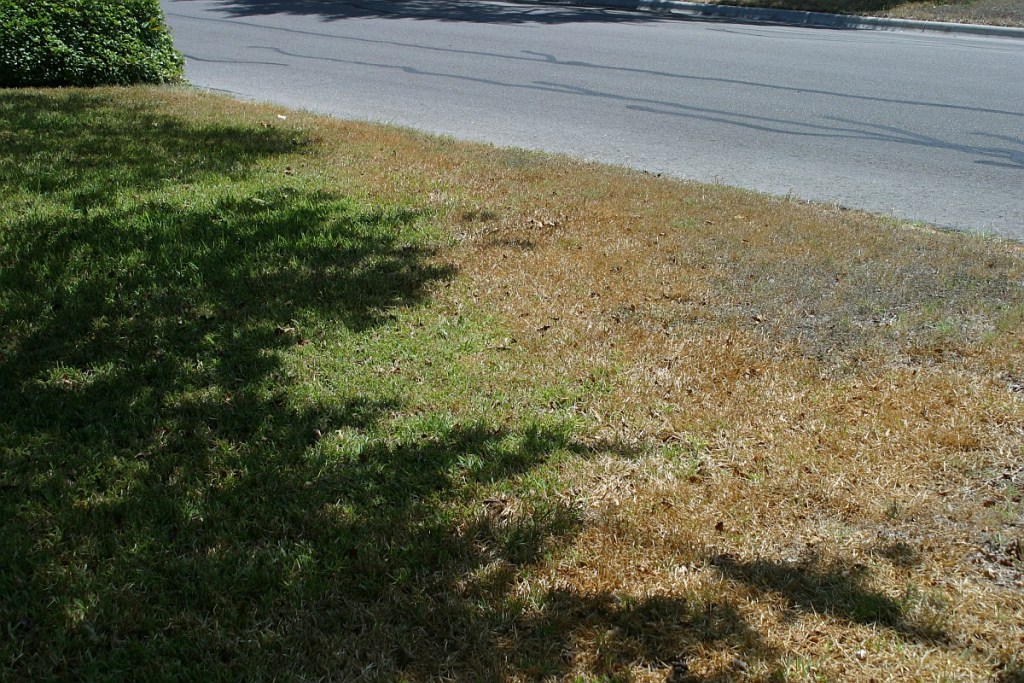
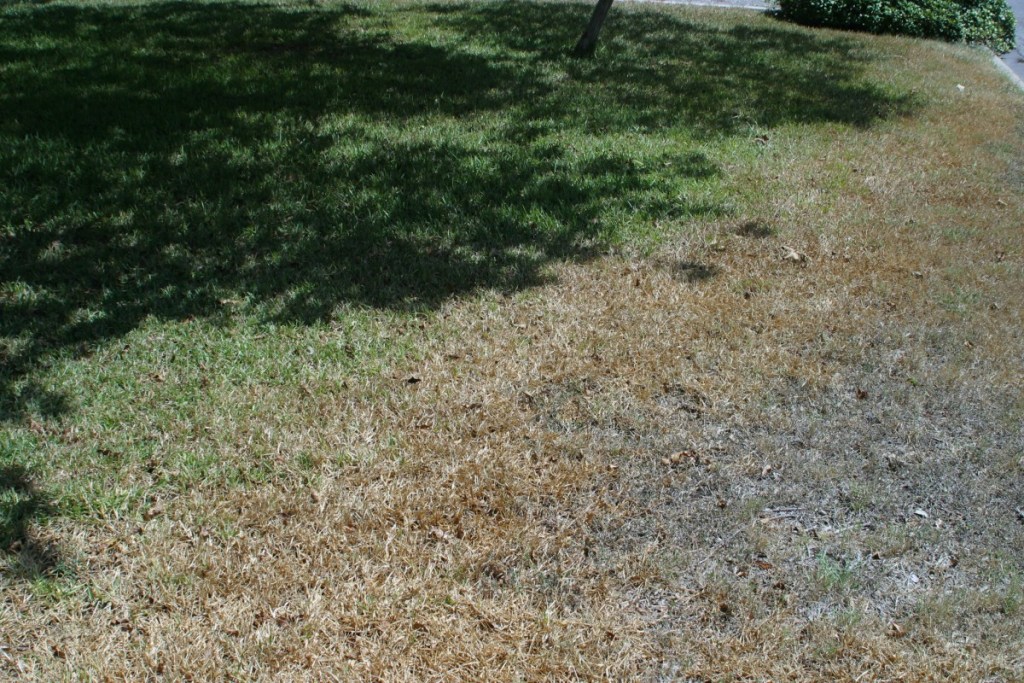
Many areas in our region are serviced by Water My Yard, a free program of the Texas A&M AgriLife Extension Service that links to weather stations near your home to constantly monitor sunlight intensity, humidity, wind speed, and temperatures to determine how much water your lawn needs. Go to https://www.watermyyard.org for more info and to sign up for email notifications. There is a Water My Yard app for both Android and iPhones.
When you water, apply at least ½ to 1 inch of irrigation to turf in sunny areas. Use tuna or cat food cans as irrigation gauges to find out how long you need to water to apply an inch. Brief, frequent irrigation puts less water into the soil bank account and results in a greater percentage of that drinking water you paid for being lost to evaporation.
Most soils cannot absorb an inch of irrigation at the rate put out by most sprinkler heads. Utilize the “cycle and soak” technique by watering until runoff is about to begin, then have the system shut off for about 40 or so minutes to allow the water to soak in well. Then repeat this cycle until the desired amount has been applied.
When you water this way, you won’t need to water again for up to a week or more in the hot summer months, and even less often in shady areas. See my Lawn Care Schedule for weekly average irrigation needs each month of the year in the Houston area.
Deep, infrequent watering allows oxygen to reach deeper into the soil between waterings, promoting a deeper, more drought-resistant turfgrass root system.
Do some spots in your lawn show drought stress faster than others? Rather than water the entire lawn to keep dry spots alive, use a hose-end sprinkler in small areas to sustain the turf until it is time to water the entire zone again.
Most irrigation systems are at least somewhat inefficient. Common issues include uneven application, excessive or insufficient pressure, and damaged or misaligned irrigation heads, all of which waste water.
A former Houston area neighbor of mine’s sprinkler system ran way too frequently and was so misaligned that each morning it sprayed one side of my car in my driveway. So, I parked backwards occasionally to wash the other side of my car!
This year’s drought is no reason to start ordering cactus and gravel for the front yard, but it is a wake-up call. The way we design our landscapes, the turf and other plant species we choose, the size of our lawns, where we plant turf in our landscape, the soil preparations we make, and the efficiency of our irrigation systems are critically important to lowering our water bills and preventing loss of turfgrass and other plants.
The suggestions I’ve made above can help build a resilient, beautiful lawn and landscape, even when temperatures rise and rainfall is scarce.