


No single method or single attempt to control nutsedge will be successful. The keys to nutsedge control are: Remove existing tubers and limit or stop production of new tubers.
Begin efforts utilizing more than one of the techniques listed below when the first new shoots in spring have 3-5 leaves. Repeat actions promptly before newly emerging shoots have more than 3-5 leaves.
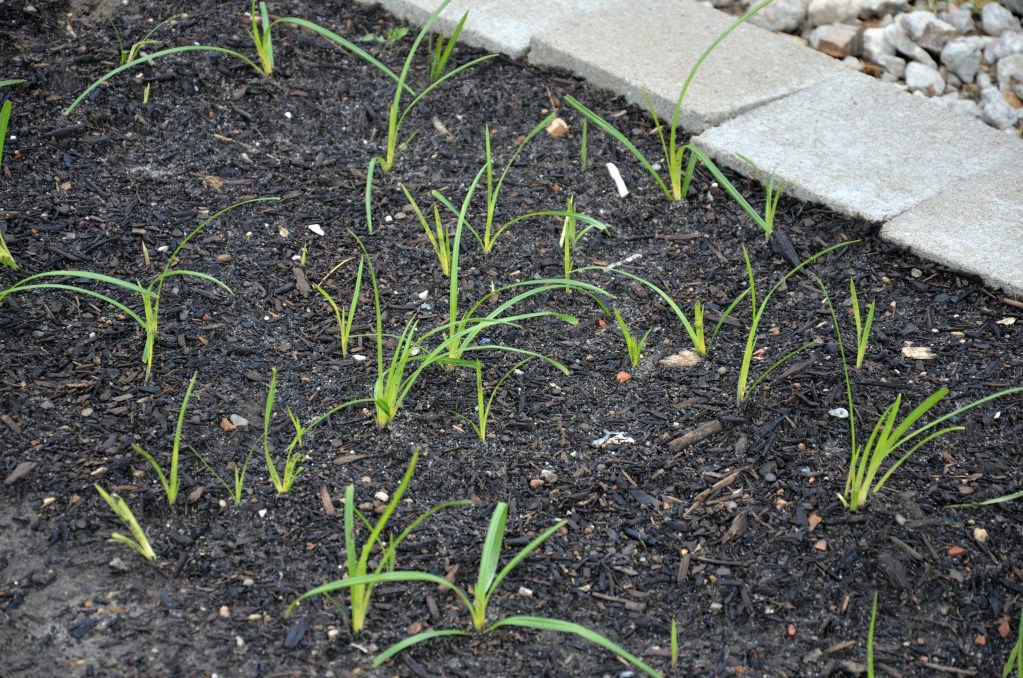
Hand digging:
Most nutsedge tubers are in the top 8” of soil, but they can be deeper. Use a hand trowel, weeding fork, or spading fork to follow the plant down to the connected rhizomes underground, removing as many of them as you can. Be ready to repeat this whenever dormant tubers sprout and reach the soil surface.
Tillage:
Turn over the soil with a spading fork, removing as many exposed tubers and rhizomes as you can find. Rototilling is an option, but it may cause additional tubers to sprout. Follow with hand digging when they give away their location! Repeat tillage every 2-3 weeks to limit new tuber production. Drying in the sun is lethal to tubers of purple nutsedge.
Solarizing:
Destroys tubers in the surface few inches. If done immediately after deep tillage the effectiveness of solarization can be increased.
Shading:
Cover the area with a dense landscape fabric secured loosely over the soil surface to block out sunlight. Nutsedge will emerge beneath the fabric, but can’t puncture the loose fabric. Maintain soil moisture during this process. Shading forces the tubers to deplete their reserves, which weakens the plants significantly. Shading is helpful as a first step in reducing nutsedge infestations in a future garden spot.
Spraying:
Apply a product labeled for nutsedge control and for the setting (lawn, landscape bed, or vegetable/herb garden). It is critical to carefully read and follow the label to achieve the best results without damaging desirable plants in the area. Repeat sprays as needed to not allow newly emerging nutsedge plants to grow beyond the 5-leaf stage.
Wiper application:
Use a weed wiper to apply a labeled product to the foliage of the nutsedge, carefully avoiding contact with desirable plants in the area. Repeat wiper applications as new shoots appear. Visit this link for instructions on how to build an inexpensive homemade weed wiper, and this link for a list of products labeled for nutsedge control.
Whichever control methods you choose, stay diligent! Pausing for a while allows the nutsedge time to produce MANY new tubers, so you could essentially be starting over again!
