

Grass clippings contain ALL the essential nutrients a grass plant needs to grow and build a dense lawn. Those grass blades could not have grown without at least 17 essential macro and micronutrients. The nutrients in those clippings are also in the right ratios that grass takes up to support health and growth.
Nature’s perfect lawn fertilizer
Every time you mow and mulch those clippings back into the turf, the clippings begin to decompose, releasing their nutrients back into the soil. Grass clippings contain about a 3-1-2 or 4-1-2 ratio of nitrogen, phosphorus and potassium, respectively, and thus are nature’s own perfect fertilizer blend.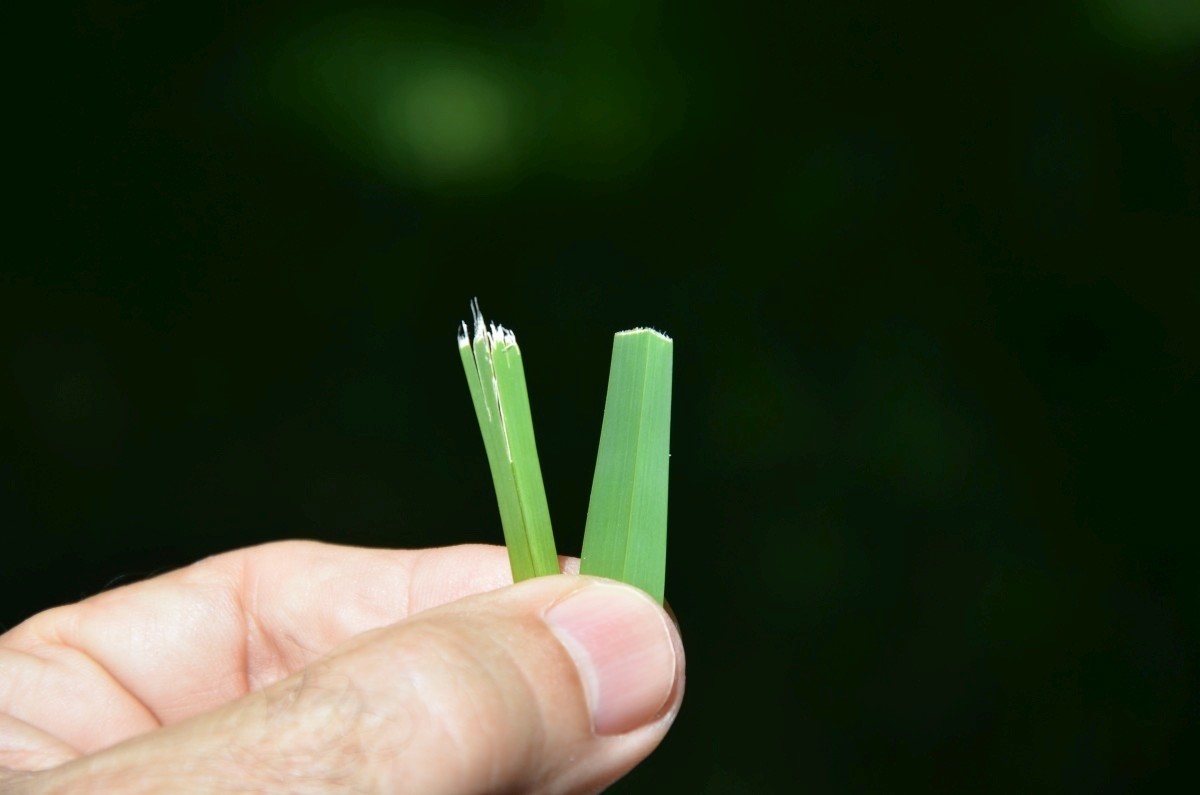
If you were to gather all the clippings from mowing your lawn over the year, weigh them, and have them analyzed in a lab, the total nutrient amounts would exceed what you apply with your fertilizer spreader. So, consider your lawn mower to be an outstanding fertilizer spreader, applying organic, slow-release nutrients every time you mow!
I don’t want to imply that if you return all your clippings to the lawn you won’t need to fertilize. Some of the nutrients from the clippings will be lost. This is especially the case with nitrogen which can leach away or volatilize into the atmosphere. Returning clippings can allow you to reduce your nitrogen fertilizer application, even up to half of what is needed when clippings are bagged and discarded.
Mulching your clippings back into the lawn
A mulching mower is designed to chop clippings up into smaller pieces, so they drop down in the turf and decompose quickly. If you don’t own a mulching mower, you can close off the discharge chute and mow a little more often.
Clippings don’t cause a thatch buildup because they break down very quickly. Thatch is really caused by over watering and over fertilizing your lawn causing an increase in runner growth as the runners break down much more slowly.
When to not return clippings
I can think of two situations when bagging clippings is advisable. If due to long rainy spells when you can mow or an extended trip away your lawn has grown very tall, it is probably best to capture the clippings and use them in a compost pile or as a thin layer of mulch over garden beds.
The second situation is when a significant weed invasion has gone to seed. Set the mower lower and attach the bagger to capture as many weed seeds as you can to lessen what ends up in the soil for future infestations.
Renting fertilizer?
If you fertilize your lawn, mow and collect clippings, and then throw those clippings away in the trash, then you are basically “renting” fertilizer! Do yourself a favor and take nature’s cue by recycling those nutrients back into the lawn.